
Our Services
Transformer Oil Testing and Analysis Services
Gain in-depth insight into transformer conditions through internationally recognized transformer oil analysis standards. Our services include dissolved gas analysis (DGA), moisture content, acidity, and other critical parameters to help prevent damage caused by operational issues.
“Identify hidden transformer problems before failures occur with international-standard oil analysis.”
The health of a power transformer is the cornerstone of electrical system reliability. Transformer oil can be compared to the “lifeblood” of the system, and oil condition monitoring is one of the most effective methods for diagnosing hidden abnormalities. We provide comprehensive transformer oil quality analysis using advanced and accurate technologies, enabling you to plan maintenance efficiently and extend the service life of your equipment.
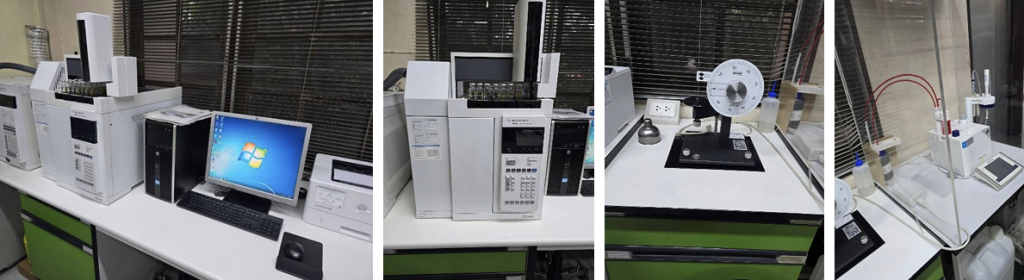
Dissolved Gas Analysis (DGA)
Rapid fault detection
Analyzes gases generated from thermal faults or electrical faults (arcing) within the transformer.
Accurate fault classification
Clearly identifies the type and nature of abnormalities, enabling precise determination of areas requiring corrective action.
Proactive maintenance planning
Analysis results support risk assessment and condition-based maintenance (CBM) planning before severe damage occurs.
Continuous condition monitoring
Ideal for monitoring transformers with a history of overload or prolonged operation.

Other Standard Oil Tests (Standard Oil Testing)
To ensure the reliability of electrical insulation, we provide additional physical and chemical oil property tests as follows:
- Water Content
Excessive moisture reduces dielectric breakdown voltage and accelerates the deterioration of insulating paper. We perform precise measurements to recommend appropriate oil dehydration or filtration methods.
- Acidity
Measures the degree of oil deterioration and oxidation. High acidity indicates aged oil, often accompanied by darker color and reduced interfacial tension.
- Oil Color (Color Number)
A change from clear to darker color indicates oil aging, oxidation, or contamination within the transformer.
- Interfacial Tension (IFT)
Detects polar compounds and contaminants. A rapid decrease in IFT is an early warning sign of oil degradation and sludge formation.
- Dissipation Factor / Power Factor
Measures energy losses in the form of heat. This parameter is highly sensitive to contamination, even in very small quantities.
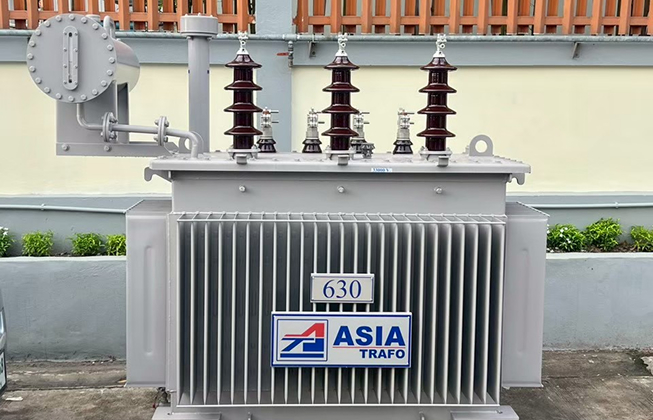
Advanced Analysis
- Remaining Life Assessment by Furan Analysis
Detects furan compounds generated from the degradation of cellulose (paper) insulation to estimate the remaining service life of power transformers. This analysis supports more accurate decision-making for investment planning, refurbishment, or equipment replacement.
- Corrosive Sulfur Test
Detects sulfur compounds (such as DBDS) that react with copper and form conductive deposits, which are a major cause of failures in power transformers and reactors. This test helps prevent severe and unexpected equipment damage.